Essential Guide
Let's be honest. You've probably searched for a Chicken stew recipe Indian style before. And you've probably found recipes that promise the world – "restaurant-style," "authentic," "grandma's secret" – only to end up with a watery tomato soup with chunks of rubbery chicken floating in it. I've been there. It's disappointing. The stew turns out bland, the chicken is dry, and the whole thing just feels like a missed opportunity for something truly comforting.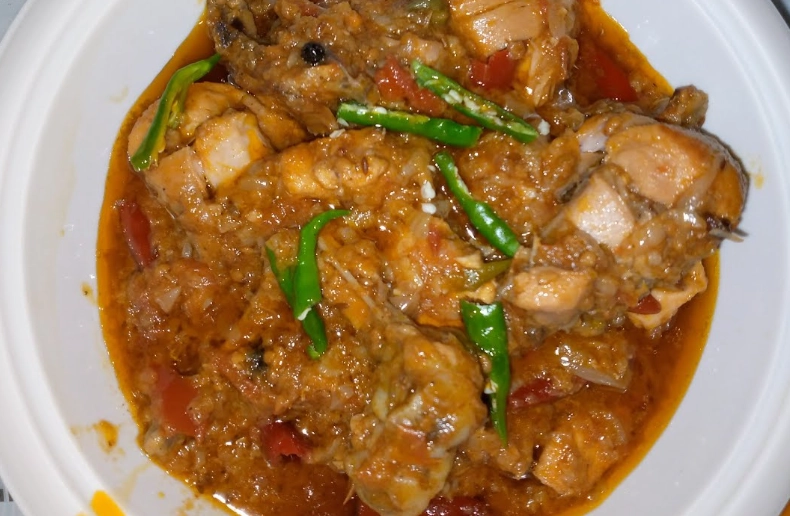
But what if I told you that a deeply flavorful, soul-warming Indian chicken stew isn't just for expert chefs or those with a pantry straight out of Mumbai? It's totally doable in your own kitchen, even on a busy Tuesday. This isn't about rigid authenticity; it's about capturing that essence – the tender chicken, the complex yet balanced gravy, the aroma that fills your entire house. That's the goal here. We're making a chicken stew that's a hug in a bowl.
This guide is everything I wish I had when I first started trying to make this dish. It's not just a list of ingredients and steps. We're going to talk about the why behind the steps, the common pitfalls (I've fallen into most of them), and how to adapt it to what you have. Think of it as your friendly, slightly opinionated guide to nailing an Indian chicken stew recipe.
What Makes an Indian Chicken Stew Different?
Okay, first things first. When we say "Indian chicken stew," what are we actually talking about? It's not the thick, creamy stew you might associate with Europe or the US. It's closer to what many would call a curry, but I find "stew" captures its homely, slow-cooked nature better.
The magic lies in the layering of flavors and the texture of the gravy. You start by blooming whole spices in hot oil – that's where the first layer of aroma comes from. Then you build a base of onions, ginger, and garlic, cooked down until they almost melt. Tomatoes add tang and body. And then, the spices. Not just curry powder (which, by the way, is a British invention), but a combination of ground spices like coriander, cumin, and turmeric, each added at the right time to unlock their full potential.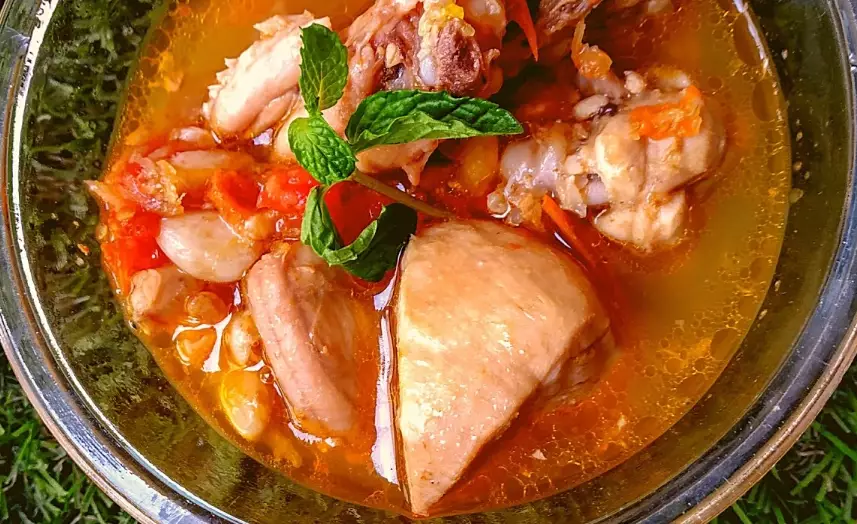
The chicken simmers gently in this base, absorbing all those flavors, while also releasing its own juices to create the gravy. The result? A dish where the chicken is unbelievably tender and the sauce is rich, aromatic, and complex enough to eat by the spoonful. That's the hallmark of a great Indian chicken stew recipe.
The No-Fail, Detailed Indian Chicken Stew Recipe
Alright, let's get into it. This is my go-to, weeknight-friendly version. It's adaptable, forgiving, and consistently delicious.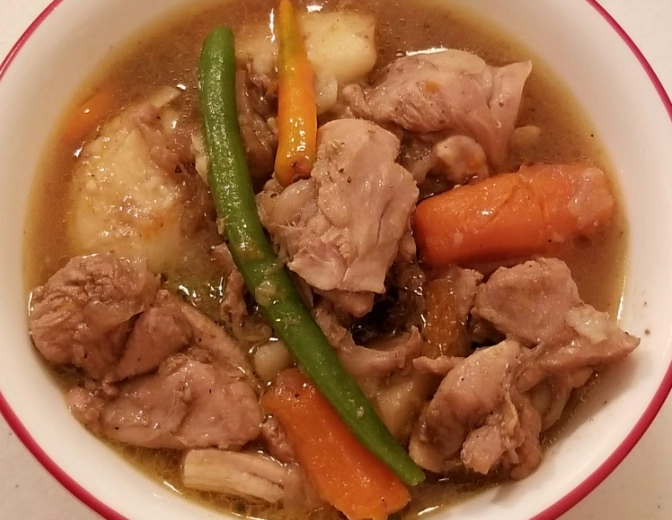
Gathering Your Arsenal (The Ingredients)
For the marinade:
• 1.5 lbs (about 700g) bone-in, skinless chicken thighs and drumsticks (Trust me on the bone-in. It adds SO much more flavor to the gravy. Breasts will dry out.)
• 1/2 cup plain yogurt (full-fat is best for creaminess)
• 1 tablespoon ginger-garlic paste (or 2 cloves garlic + 1" ginger, finely grated)
• 1 teaspoon turmeric powder
• 1 teaspoon red chili powder (adjust to your heat tolerance)
• 1 teaspoon salt
For the stew:
• 3 tablespoons cooking oil (ghee is traditional and adds amazing flavor, but vegetable oil works)
• 2 medium onions, thinly sliced
• 1 tablespoon ginger-garlic paste (yes, more!)
• 2 medium tomatoes, finely chopped (canned crushed tomatoes are a great, consistent alternative)
• 1.5 teaspoons coriander powder
• 1 teaspoon cumin powder
• 1/2 teaspoon garam masala
• Whole spices: 2 bay leaves, 4 green cardamom pods, 1" cinnamon stick, 4 cloves
• Salt to taste
• 1.5 cups water
• Fresh cilantro, chopped (for garnish)
See? Nothing too crazy. Most of this is probably in your spice cabinet already. If you're missing garam masala, you can skip it and add a tiny pinch of ground cinnamon and clove at the end. It won't be the same, but it'll still be tasty.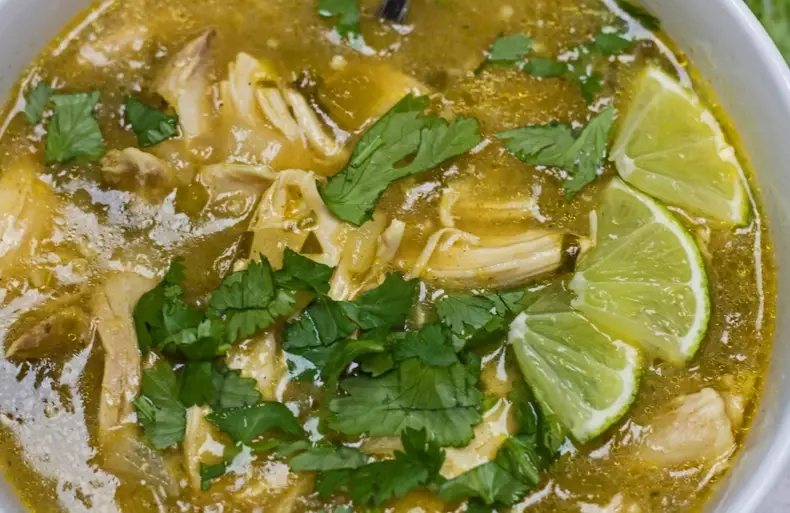
The Step-by-Step Dance (The Method)
Step 1: Marinate the Chicken. This is your first secret weapon. Mix all the marinade ingredients in a bowl, add the chicken, and coat it well. Let it sit for at least 30 minutes. Overnight in the fridge is even better. The yogurt tenderizes the chicken like a dream.
Step 2: The Flavor Foundation. Heat the oil or ghee in a heavy-bottomed pot or Dutch oven over medium heat. Add the whole spices (bay leaves, cardamom, cinnamon, cloves) and let them sizzle for about 30 seconds until fragrant. Now add the sliced onions. This is where patience is key. Cook the onions, stirring occasionally, for a good 15-20 minutes until they turn a deep golden brown. Not just translucent, but properly caramelized. This is non-negotiable for depth.
Step 3: Building the Base. Add the tablespoon of ginger-garlic paste. Cook for a minute until the raw smell disappears. Then add the chopped tomatoes. Cook these down for 5-7 minutes until they soften and the oil starts to separate from the mixture. You'll see little droplets of oil around the edges of the pan. That's what you want.
Step 4: Spice It Up. Lower the heat a bit. Add the coriander powder, cumin powder, and a pinch of salt. Stir constantly for about a minute. Toasting the ground spices in the oil like this "blooms" them, releasing their essential oils and making their flavor much more potent. Be careful not to burn them.
Step 5: Bring in the Chicken. Add the marinated chicken along with all the marinade from the bowl. Increase the heat to medium-high. Sear the chicken pieces for 3-4 minutes, turning them once. You're not trying to cook them through, just get some color and seal in the juices.
Step 6: The Simmer. Pour in the 1.5 cups of water. Bring it to a boil, then immediately reduce the heat to low, cover the pot with a lid, and let it simmer gently. This slow, gentle cooking is what makes the chicken tender and allows the flavors to marry. Let it go for 25-30 minutes.
Step 7: The Final Touch. After 30 minutes, check if the chicken is cooked through. The meat should be falling-off-the-bone tender. Uncover the pot, turn the heat up to medium, and let the gravy simmer and reduce for another 5-10 minutes until it reaches your desired consistency. I like mine somewhere between soup and thick gravy. Stir in the garam masala. Taste and adjust salt.
Turn off the heat.
Step 8: Serve. Garnish generously with fresh cilantro. It's not just for looks; that fresh, herbal punch at the end is crucial. Serve hot with steamed basmati rice, naan, or even simple crusty bread to soak up every last bit of that incredible gravy.
Pro Tips & Tricks I Learned the Hard Way
Anyone can follow a recipe. Making a dish truly your own comes from little insights. Here are some things I've picked up over years of making (and occasionally messing up) this Indian chicken stew recipe.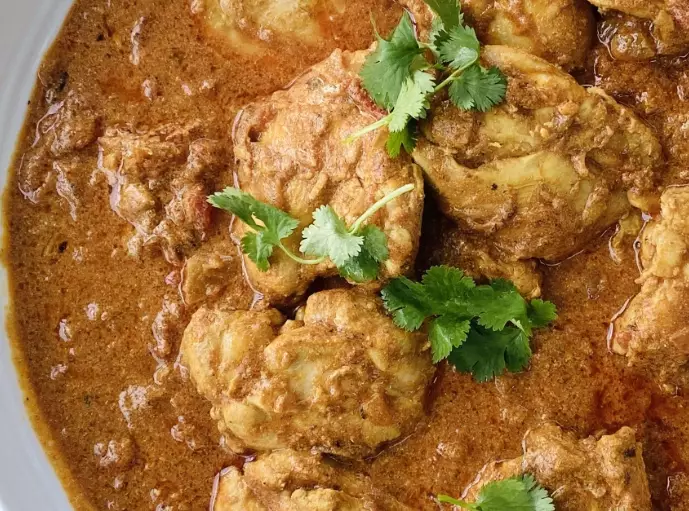
The Chicken: I can't stress this enough. Bone-in, skinless chicken thighs are the MVP. They have more fat and connective tissue than breasts, which means they stay juicy and tender through the long simmer. Breasts will become dry and stringy. If you must use breast, cut it into large chunks and reduce the simmering time by 10 minutes.
The Yogurt Marinade: If your yogurt is very sour, your final gravy might have a slight tang. If you prefer a sweeter, richer profile, you can use a tablespoon of heavy cream or cashew paste (soak 10 cashews in hot water, then blend into a smooth paste) along with the yogurt. It creates a luxurious texture.
Controlling the Heat: The red chili powder is for heat. If you're sensitive to spice, start with 1/2 teaspoon. You can always add more later. For a smokier heat, you can add a dried red chili or two when you temper the whole spices.
Gravy Too Thin? Uncover the pot and let it simmer on medium heat to reduce. You can also make a simple slurry with 1 teaspoon of cornstarch mixed with 2 tablespoons of cold water and stir it in. Let it cook for 2 more minutes to thicken.
Gravy Too Thick? Easy. Just add a splash of hot water and stir until you get the consistency you like.
Beyond the Basic: Regional Twists on the Indian Chicken Stew
India is huge, and every region has its own take. Once you master the basic formula, it's fun to explore. Here’s a quick look at how this chicken stew recipe morphs across the map.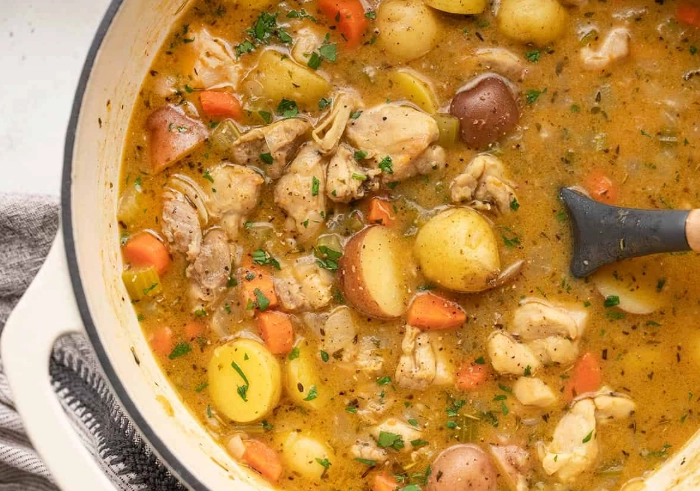
| Region | Key Twist | Flavor Profile | Best Paired With |
|---|---|---|---|
| South Indian (Kerala Style) | Uses coconut milk or freshly grated coconut. Lots of black pepper and curry leaves. | Creamy, coconutty, with a sharp peppery kick. | Appam (lacey hopper pancakes) or steamed rice. |
| North Indian (Punjabi Style) | Rich, onion-tomato base, often finished with butter or cream. Uses more garam masala. | Rich, creamy, and robust. | Buttery naan or jeera (cumin) rice. |
| Goan Style | Vinegar, red Kashmiri chilies (for color, not extreme heat), and sometimes a bit of sugar for balance. | Tangy, slightly sweet, and vibrant red. | Plain steamed rice or poi (Goan bread). |
| Home-Style (Dhaba) | Rustic. Often includes chopped green chilies, a heavier hand with coriander-cumin, and is less creamy. | Rustic, hearty, and boldly spiced. | Tandoori roti or simple paratha. |
My personal favorite for a weeknight is the South Indian twist with a can of coconut milk. It feels indulgent but comes together just as quickly. The coconut milk mellows out the spices in a really beautiful way.
Your Indian Chicken Stew Questions, Answered
Absolutely. For a slow cooker: Follow steps 1-4 on the stovetop (browning onions, building the base). Then transfer everything to the slow cooker, add the chicken and water. Cook on LOW for 6-7 hours or HIGH for 3-4 hours. The flavor is great, but you miss the final reduction, so you might need to thicken the gravy afterwards.
For an Instant Pot: Use the Sauté function for steps 2-4. Add chicken and water. Secure lid, set valve to sealing, and cook on High Pressure for 10 minutes. Let the pressure release naturally for 10 minutes, then quick release. Use Sauté again to reduce the gravy if needed. It's incredibly fast and the chicken is always tender.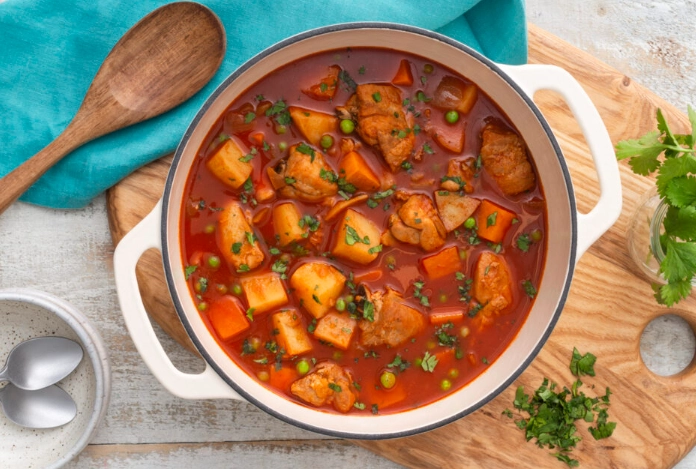
This stew tastes even better the next day! Let it cool completely, then store it in an airtight container in the fridge for up to 3-4 days. Reheat gently on the stovetop over low heat, adding a tiny splash of water if it has thickened too much. You can also freeze it for up to 3 months. Thaw overnight in the fridge before reheating.
Bitterness usually comes from burned spices. If you added your ground coriander or cumin to very hot oil and didn't stir constantly, they can burn in seconds. Also, if the onions burned during the long cooking process, that charred flavor will permeate the whole dish. The fix? Low and slow when toasting spices and cooking onions. Prevention is key here.
It's naturally gluten-free. For dairy-free, you need to make two swaps: 1) Use coconut milk or a dairy-free yogurt alternative (like soy or almond yogurt) for the marinade. 2) Use oil instead of ghee. The flavor will be different but still absolutely delicious.
This is the fun part. Steamed basmati rice is the classic, foolproof choice. But don't stop there:
• Naan or Roti: Perfect for scooping up the gravy. You can buy decent pre-made naan from most grocery stores now.
• Simple Salad: A quick salad of sliced cucumbers, tomatoes, red onion, and a squeeze of lemon cuts through the richness.
• Raita: A cooling yogurt sauce with cucumber or mint. It's the perfect counterpoint to the spiced stew.
• Pickled Onions: Quick-pickle some red onions in vinegar, salt, and a pinch of sugar. The acidity is amazing.
A Note on Ingredients & Food Safety
While experimenting is encouraged, handling chicken safely is not optional. Always marinate chicken in the refrigerator, not on the counter. Use separate cutting boards and utensils for raw chicken to avoid cross-contamination. Cook chicken to a safe internal temperature of 165°F (74°C). You can check this with a simple meat thermometer – it's a small investment for big peace of mind. For reliable, science-based information on safe chicken handling and cooking temperatures, the USDA's Food Safety and Inspection Service website is an authoritative resource you can trust.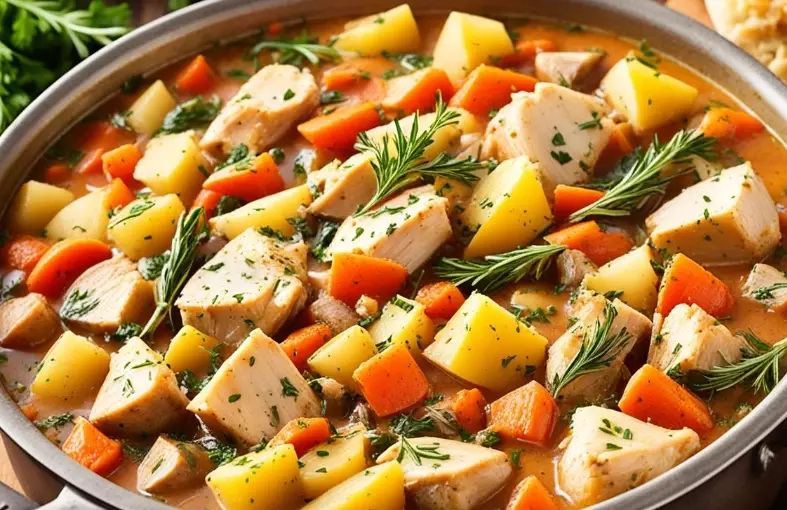
And about those spices. Their quality makes a massive difference. Spices lose their potency over time. If your ground cumin has been in the cupboard for two years, it's time for a new bottle. For the best flavor, consider buying whole spices and toasting/grinding them yourself in small batches. It's a game-changer. Organizations like the American Spice Trade Association provide great background on spice sourcing and quality.
Finally, for those curious about the nutritional aspects of chicken as a protein source, entities like the National Chicken Council offer industry perspectives and basic information.
Wrapping It Up
So there you have it. More than just a Chicken stew recipe Indian style, but a whole framework for understanding how to make it work for you. It might seem like a lot of steps at first, but once you do it a couple of times, it becomes second nature. The process of slowly building those layers of flavor is actually really therapeutic.
Don't be afraid to make it your own. Love garlic? Add an extra clove. Want it creamier? Stir in a spoonful of cream at the end. The recipe I've given you is the blueprint – a reliable, delicious blueprint – but your kitchen, your rules.
The real goal is to end up with a pot of something warm, flavorful, and deeply satisfying. Something that makes your kitchen smell amazing and makes everyone ask for seconds. That's the magic of a good Indian chicken stew. Now go grab that pot. It's time to cook.
Reader Comments