Let's talk about the classic chicken crockpot stew. You know the one. It promises tender chicken, hearty vegetables, and a rich broth that fills your kitchen with the kind of smell that makes everyone ask, "When's dinner?" But too often, the result is bland, the chicken is dry, and the vegetables are mush. After a decade of tweaking recipes and learning from mistakes (I've made plenty), I've nailed down what separates a forgettable stew from a legendary one. This isn't just another recipe list. It's a deep dive into the why behind each step, designed to give you a foolproof method and the confidence to make it your own.
What You'll Find in This Guide
What Makes a Chicken Crockpot Stew "Classic"?
Forget complicated ingredient lists. A classic stew is defined by its foundation. It's about humble, accessible ingredients transformed by time and low heat. The core trio is non-negotiable: protein, aromatics, and liquid. For us, that means chicken, onions/carrots/celery, and broth. The magic happens in the slow cooker where collagen breaks down, flavors marry, and everything becomes greater than the sum of its parts. The goal is comfort in a bowl—a balanced, savory, satisfying meal that requires minimal hands-on work. If you're spending more than 20 minutes prepping, you're overcomplicating it.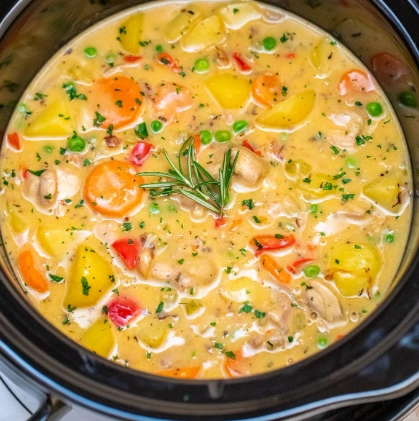
The Foolproof Classic Chicken Crockpot Stew Recipe
This is my go-to, no-fail blueprint. It serves 6-8 and cooks on LOW for 7-8 hours or HIGH for 4-5. I strongly recommend LOW for superior texture.
Ingredients You'll Need
- 2.5 to 3 lbs bone-in, skin-on chicken thighs (Trust me on this. We'll discuss why below.)
- 1 large yellow onion, chopped
- 4 medium carrots, cut into 1-inch chunks
- 3 celery stalks, cut into 1-inch pieces
- 1.5 lbs Yukon Gold potatoes, cut into 1.5-inch chunks
- 4 cloves garlic, minced
- 4 cups low-sodium chicken broth
- 1 tsp dried thyme (or 3-4 fresh sprigs)
- 2 bay leaves
- 1/3 cup all-purpose flour
- 1/2 cup frozen peas (added at the end)
- Salt and black pepper to taste
- 2 tbsp olive oil or butter
- Optional: 1/4 cup fresh parsley, chopped for garnish
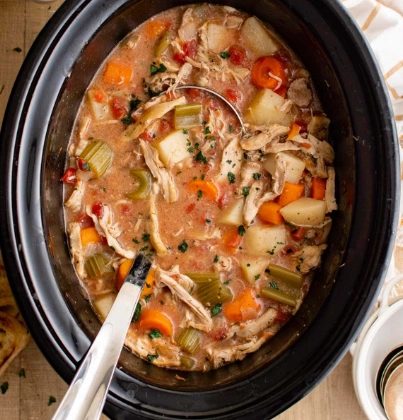
The Step-by-Step Process
1. Brown the Chicken (The Non-Negotiable Step): Pat the chicken thighs dry and season generously with salt and pepper. Heat oil in a large skillet over medium-high heat. Place the thighs skin-side down and sear for 4-5 minutes until deeply golden. Flip and sear the other side for 2-3 minutes. Transfer to a plate. This isn't just for color; it creates fond—those crispy browned bits—which is pure flavor gold.
2. Sauté the Aromatics: In the same skillet with the chicken fat and fond, add the onion, carrots, and celery. Cook for 5-6 minutes, scraping up the fond, until the onions soften. Add the garlic and cook for 1 more minute. Sprinkle the flour over the vegetables and stir constantly for 1-2 minutes. This cooks the raw flour taste out and will help thicken your stew later.
3. Build the Stew in the Crock: Scrape the entire vegetable-flour mixture into your slow cooker. Add the potatoes, thyme, and bay leaves. Pour in the chicken broth and stir to combine. Nestle the seared chicken thighs on top, skin side up. Do not stir them in. Let them sit on the surface.
4. Cook and Finish: Cover and cook on LOW for 7-8 hours. About 30 minutes before serving, carefully remove the chicken thighs to a cutting board. The meat should fall off the bone. Discard skin, bones, and bay leaves. Shred the meat and return it to the pot. Stir in the frozen peas. Let everything heat through for another 15-20 minutes. Taste and adjust seasoning with salt and pepper. Garnish with parsley if you like.
The Big Decision: Which Chicken Cut to Use?
This is where most recipes give vague advice. Here’s the real breakdown from someone who’s tested them all.
| Chicken Cut | Best For... | Potential Pitfall | My Verdict |
|---|---|---|---|
| Bone-in, Skin-on Thighs | The ultimate flavor and guaranteed juiciness. Bones and skin add collagen and fat for a richer broth. | Requires shredding after cooking. Some find skin unappealing in the final stew (you remove it). | The winner. Unbeatable for depth of flavor and foolproof moisture. |
| Boneless, Skinless Thighs | Convenience. Still very forgiving and flavorful due to higher fat content. | Broth can be slightly less rich. Can become stringy if overcooked on HIGH for too long. | A strong second choice for busy weeknights. |
| Chicken Breast | Those preferring lean, white meat. | High risk of drying out and becoming chalky. Lacks collagen for broth body. | I don't recommend it for a long-cooked stew. If you must, use large chunks and cook on LOW only for 4-5 hours max. |
| Whole Chicken Legs (Drumstick + Thigh) | A fantastic, economical option. Lots of flavor from bones and joints. | Requires more work to eat and shred. | Excellent choice if you find them on sale. Treat them like bone-in thighs. |
I made the breast mistake for years, following "healthy" recipes that promised tender results. They lied. The slow, moist heat of a crockpot is still direct heat, and breast meat's low fat content can't withstand it. Thighs are your friend.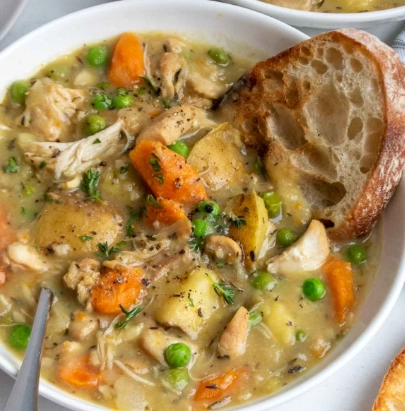
The Secret is in the Layers: Building Flavor
A common complaint is "My crockpot stew tastes bland." The fix is layering. Don't just dump raw ingredients in.
First Layer: The Sear (Maillard Reaction). Browning the chicken creates hundreds of new flavor compounds. Skipping this is the single biggest flavor sacrifice.
Second Layer: The Fond. Those browned bits left in the pan are packed with savory goodness. Deglazing the pan with your aromatics (onions, carrots, celery) captures it all.
Third Layer: The Flour. Cooking the flour in the fat (making a roux) before adding liquid ensures your stew thickens evenly and doesn't have a pasty taste. It also adds a subtle toasted, nutty note.
Fourth Layer: Seasoning Timing. Salt the chicken before searing. Add dried herbs at the beginning so their flavors meld. But add delicate fresh herbs (parsley, dill) and quick-cooking veggies (peas, spinach) in the last 20 minutes to preserve their color and brightness.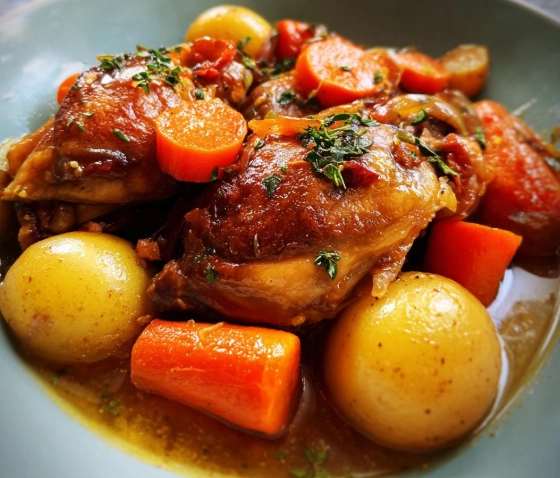
Classic Variations to Try Once You've Mastered the Base
The basic recipe is a canvas. Here are three trusted twists.
Herb & White Wine: Substitute 1 cup of the broth with a dry white wine like Sauvignon Blanc. Add a tablespoon of chopped fresh tarragon with the thyme. Finish with a splash of cream or a pat of butter for silkiness.
Hearty Mushroom & Barley: Add 8 oz of sliced cremini mushrooms when sautéing the aromatics. Replace 1 cup of broth with beef broth for depth. Add 3/4 cup pearl barley with the potatoes (note: this will absorb more liquid, you may need an extra 1/2 cup broth).
Tomato-Basil: Add one 14.5-oz can of diced tomatoes (with their juices) to the pot. Use 3 cups broth instead of 4. Swap the thyme for 1 tbsp dried Italian seasoning. Stir in 1/4 cup chopped fresh basil at the end instead of parsley.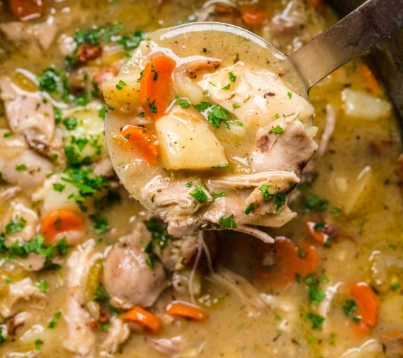
Reader Comments