Let's be honest. The idea of perfect, fall-off-the-bone pork ribs usually comes with images of a smoky backyard barbecue. But what if you could achieve that same tender, flavorful result without babysitting a grill for hours? That's the magic of using your slow cooker. This isn't a BBQ imitation—it's something different, often better for a busy weeknight, and guaranteed to deliver succulent meat every single time. I've been making ribs this way for a decade, and it's saved countless dinners from being just another chicken night.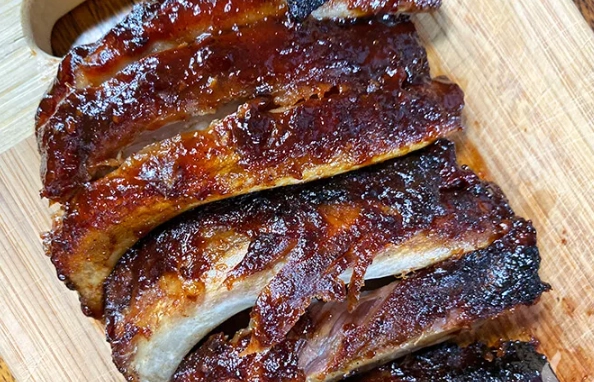
What You'll Find Inside
Why Choose the Slow Cooker for Pork Ribs?
Most recipes talk about convenience, and sure, the "set it and forget it" aspect is huge. You go to work, run errands, and come home to a house smelling amazing. But the real win is in the texture. The slow cooker's moist, low-heat environment breaks down collagen and connective tissue in the ribs more gently and thoroughly than most other methods. This translates to meat that literally separates from the bone with a gentle tug.
Where BBQ aims for a smoky bark and chew, slow cooker ribs are about unadulterated tenderness and deep, infused flavor. Think of it as braising, not smoking. It's a different goal, and when you embrace that, you stop comparing it to BBQ and start appreciating it for its own merits: incredibly juicy, consistently perfect results with almost zero active cooking time.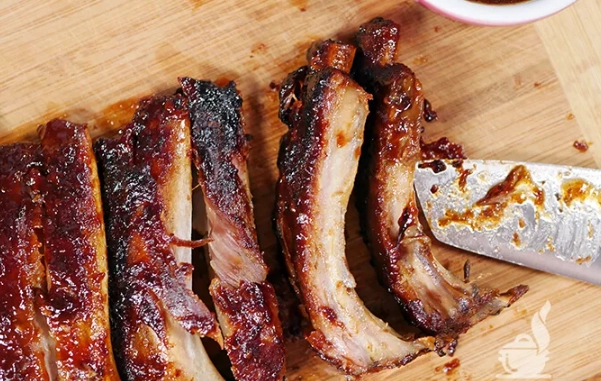
Essential Ingredients for Flavorful Ribs
You don't need a pantry full of exotic spices. The foundation is simple, but each component plays a role. Here’s what you absolutely need and why.
The Ribs Themselves: Baby Back vs. Spare Ribs
This choice matters. Baby back ribs are leaner, shorter, and curve along the hog's backbone. They cook faster and are more forgiving—my top pick for beginners. Spare ribs (or St. Louis style, which are trimmed) are larger, fattier, and have more connective tissue. They take longer to become tender but reward you with richer flavor. For the slow cooker, both work brilliantly. Just know that spares might need an extra hour.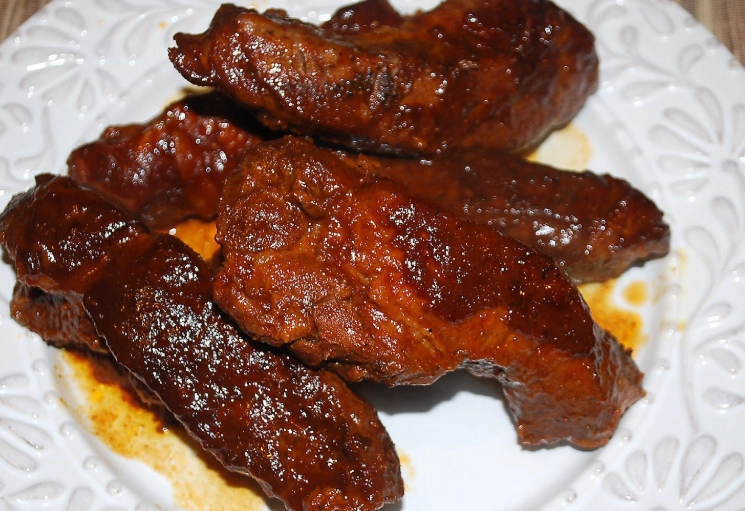
The Flavor Builders: More Than Just Salt and Pepper
A good dry rub is non-negotiable. It creates a flavor crust. The base is usually brown sugar (for caramelization and balance), paprika (for color and sweetness), garlic powder, onion powder, salt, and black pepper. From there, you can add a pinch of cayenne for heat, some dried mustard, or a touch of cumin. The key is to apply it generously and let it sit on the ribs for at least 30 minutes, or even overnight.
The liquid in the pot is crucial, but less is more. Many people drown their ribs. You only need about 1/2 to 3/4 cup of liquid to create steam and prevent burning. I use a 50/50 mix of apple cider vinegar (or apple juice) and water. The acidity in the vinegar or the sweetness in the juice subtly penetrates the meat and helps tenderize it, without making the ribs taste sour or overly sweet.
| Ingredient | Role | Pro Tip |
|---|---|---|
| Pork Ribs (1 full rack) | The main event. Provides structure and meat. | Pat them completely dry with paper towels before seasoning. Moisture is the enemy of a good rub. |
| Brown Sugar (1/4 cup) | Caramelizes, balances spices, promotes browning. | Use dark brown sugar for a deeper molasses flavor. |
| Paprika (2 tbsp) | Adds color and a sweet, earthy base note. | Smoked paprika can add a subtle BBQ-like hint without a grill. |
| Apple Cider Vinegar (1/2 cup) | Primary cooking liquid. Tenderizes and adds brightness. | Don't skip this. It makes a noticeable difference in tenderness. |
| Water (1/2 cup) | Dilutes the vinegar, creates essential steam. | Can be replaced with broth for more savory depth. |
Step-by-Step Cooking Instructions
Follow these steps in order. It's simple, but the sequence ensures maximum flavor.
1. Prep the Ribs. Remove the membrane from the bone side of the ribs. This is the single most important prep step most home cooks miss. That silvery membrane is tough and won't break down. Slip a butter knife under it at one end, grab it with a paper towel for grip, and pull it off in one piece. It's satisfying and guarantees better texture.
2. Apply the Rub. Mix your dry ingredients in a bowl. Rub it all over the ribs, on both sides, pressing it into the meat. Let them sit while you get the slow cooker ready.
3. Set Up the Slow Cooker. Pour your liquid (vinegar/water mix) into the bottom of the pot. To maximize space and even cooking, I stand the rib rack on its side, curving it around the inside of the oval pot. If you have a round pot or a smaller rack, you can cut it in half and stack them.
4. Cook Low and Slow. Place the lid on. Cook on LOW for 7-8 hours. I never use the HIGH setting for ribs. The collagen needs that long, gentle heat to melt properly. High heat can make the meat stringy.
5. Check for Doneness. After 7 hours, carefully open the lid (steam burns are real!). Try pulling two bones apart slightly. If the meat separates easily, they're done. If there's resistance, give it another 30-60 minutes.
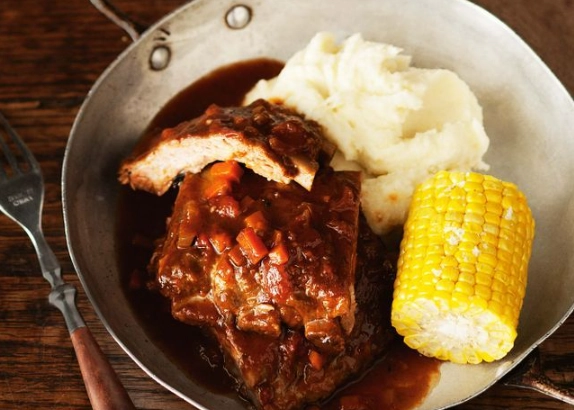
Mastering the Finishing Sauce (The Secret to Great Ribs)
Here's where you cross the line from good to unforgettable. The ribs out of the pot are tender but pale and wet. This final step adds color, texture, and a flavor-packed glaze.
1. Reduce the Juices. Carefully transfer the cooked ribs to a foil-lined baking sheet. Pour the leftover cooking liquid from the slow cooker into a small saucepan. Simmer it over medium-high heat for 10-15 minutes until it reduces by about half and thickens slightly. This concentrates all the meaty, spiced flavors.
2. Make the Glaze. To the reduced liquid, add 1/2 cup of your favorite barbecue sauce, a tablespoon of honey, and a teaspoon of Worcestershire sauce. Whisk and let it simmer for another 5 minutes until it's a nice, brushable glaze. This creates a hybrid sauce—deep from the reduced juices, tangy and sweet from the BBQ sauce.
3. Broil or Grill. Brush a generous layer of the glaze onto the ribs. Place them under a preheated broiler for 3-5 minutes, or on a hot grill for 2-3 minutes per side. Watch them closely! The sugar in the glaze can burn quickly. You want bubbling, caramelized spots.
This broiling step is non-negotiable. It transforms the texture of the exterior and locks in the final layer of flavor. It's what makes people ask, "You made these *in the slow cooker*?"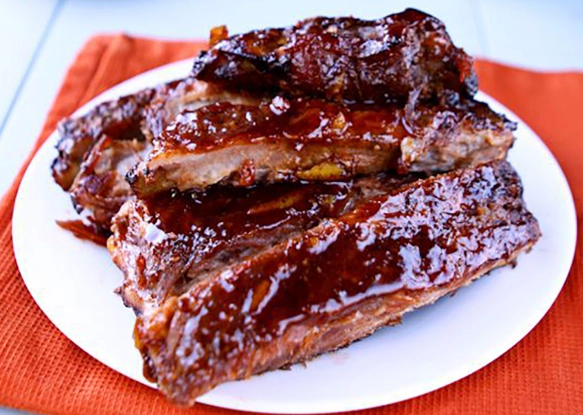
Common Mistakes and How to Avoid Them
I've made (and seen) all these errors. Avoiding them is the difference between good ribs and great ones.
Overcrowding the Pot: If you have to forcefully jam the ribs in, they'll steam instead of cook properly. The heat needs to circulate. If your rack is too big, cut it in half.
Using Too Much Liquid: This is the #1 mistake. You're steaming/braising, not boiling. Excess liquid dilutes flavor and can make the ribs mushy. Stick to 3/4 cup max.
Skipping the Finishing Step: Serving straight from the pot gives you pale, wet ribs. The 10-minute broil with a glaze is what creates the "wow" factor. Don't skip it because you're hungry.
Not Removing the Membrane: I said it before, but it's worth repeating. That membrane is like a plastic wrap barrier against flavor and tenderness. Just take it off.
Frequently Asked Questions
Reader Comments