You've followed the recipe. You bought the meat, chopped the veggies, and let it bubble away for hours. But when you finally taste it... something's off. The meat is dry. The broth is thin. It's fine, but it's not that soul-warming, lip-smacking, perfect stew you were dreaming of.
I've been there. I once ruined an entire pot by rushing the first step, a mistake I never made again. The truth is, a great stew isn't about one magic ingredient. It's about understanding five fundamental principles that work together. Get these right, and you'll turn cheap, tough cuts of meat into a luxurious, fork-tender masterpiece every single time.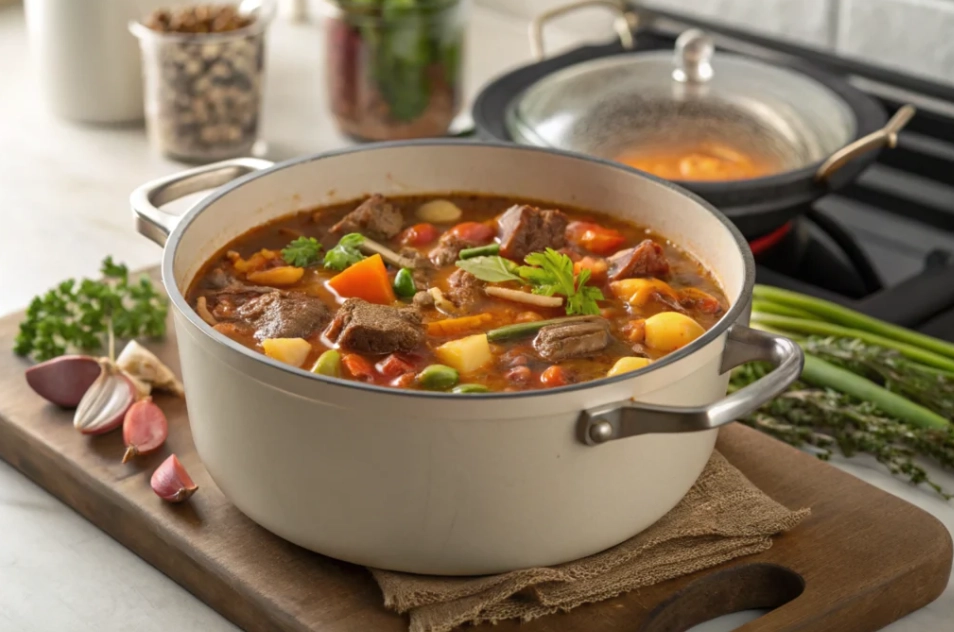
What You’ll Master in This Guide
1. Foundation: Choosing (and Treating) the Right Meat
This is the biggest make-or-break point. You cannot make a great stew with lean meat. Period. The goal is to transform tough, collagen-rich cuts through slow, moist heat. Collagen melts into gelatin, which gives the stew body and makes the meat tender.
The Champions: Beef chuck roast, pork shoulder (butt), lamb shoulder, chicken thighs. These are marbled with fat and connective tissue—exactly what you want.
The Losers: Sirloin, tenderloin, chicken breast. They'll just turn dry and stringy.
Now, here's the subtle error most recipes don't stress enough: dry your meat. Pat it thoroughly with paper towels before seasoning. A wet surface steams instead of sears, and you'll miss out on the foundational flavor of a proper brown crust, known as the Maillard reaction. Don't crowd the pan either. Do it in batches. A crowded pan drops the temperature and makes the meat boil in its own juice. You'll get gray, steamed meat, not browned.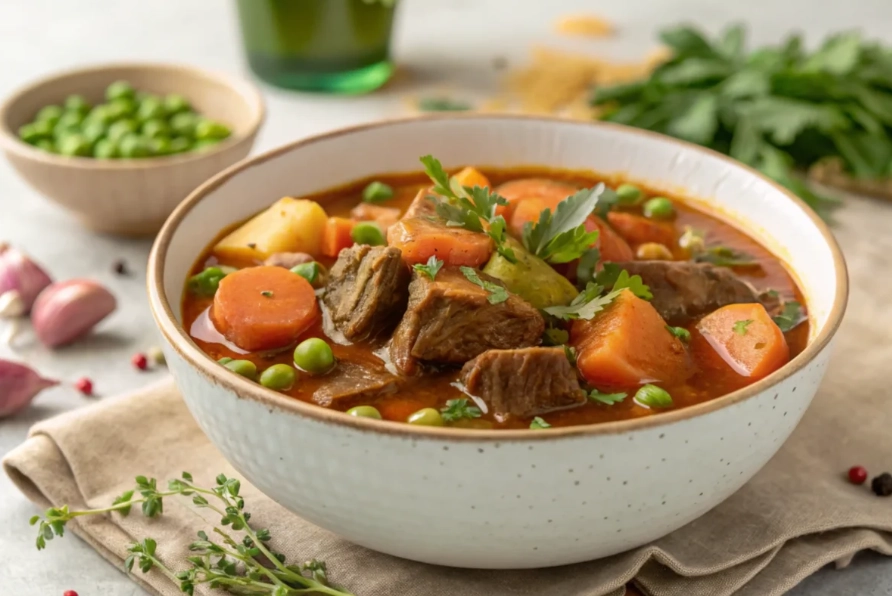
2. The Flavor Layer Cake: Building Depth Before Adding Liquid
After browning the meat, you've got those glorious browned bits (fond) stuck to the pot. That's liquid gold. Don't waste it.
This is where you build your flavor base. Add your diced onions, celery, and carrots. Let them soften and pick up that fond. Then, add aromatics like garlic, but only for the last minute so it doesn't burn. Now, the secret weapon: tomato paste.
Don't just stir in a spoonful. Push the veggies to the side, add a tablespoon or two of tomato paste to the hot spot in the center of the pot, and let it cook for a full minute, stirring. You'll see it darken from bright red to a rusty brick color. This "cooking out" of the tomato paste removes any tinny acidity and unlocks a deep, savory umami sweetness that forms the backbone of your stew's flavor. It's a game-changer.
3. The Simmer Science: Patience Over Power
Here lies the most common failure. You add your broth, bring it to a boil, and leave it bubbling away. This is a disaster. Boiling meat makes the fibers seize up violently, squeezing out all the moisture and leaving you with tough, chewy cubes.
The secret is a bare simmer. After bringing the liquid to a boil, reduce the heat until you see only the occasional bubble break the surface—a gentle shudder. The liquid should not be rolling.
My preferred method? Use the oven. A 300°F (150°C) oven provides gentle, even, hands-off heat that's almost impossible to mess up on the stovetop. It's my non-negotiable for guaranteed results. According to food science resources like those from Serious Eats, this low-and-slow approach is key for optimal collagen breakdown.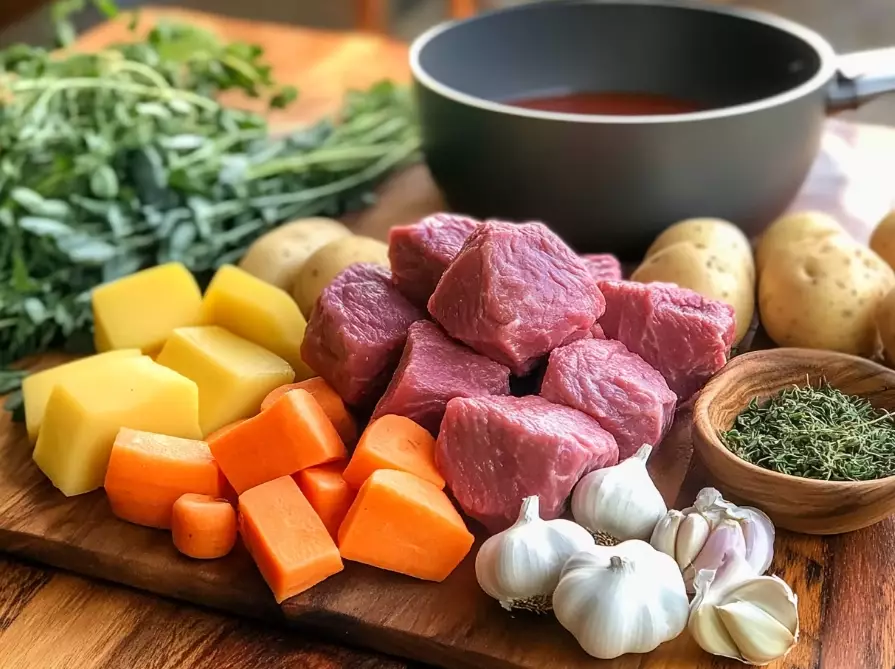
4. Vegetable Timing: Why Order Matters
Adding all your vegetables at the start is a recipe for mush. Different vegetables have different cooking times.
- Start of Simmer (2+ hours to go): Only hearty herbs (bay leaf, thyme sprigs) and maybe a parsnip.
- Last 45-60 minutes: Add hardy root vegetables—potatoes, carrots, turnips, cut into large chunks.
- Last 5-10 minutes: Add delicate veggies that just need to warm through—peas, corn, chopped leafy greens like spinach or kale.
This staggered approach ensures every component is perfectly cooked, not overcooked.
5. The Finishing Touches That Make It Shine
A stew finished cooking. You taste it. It's good... but flat. This is normal. Long cooking mellows and blends flavors, often dulling the top notes.
Season Again: Always taste and adjust salt and pepper at the end.
Brighten with Acid: A small splash of acidity lifts the entire dish. A teaspoon of red wine vinegar, a squeeze of lemon juice, or a dash of Worcestershire sauce stirred in right before serving makes the flavors pop.
Fresh Herbs: Stir in a handful of chopped fresh parsley, dill, or chives. The fresh, green flavor is a vibrant contrast to the deep, slow-cooked base.
Fat is Flavor: A final knob of butter swirled in just before serving adds a luxurious, silky mouthfeel. Don't skip this.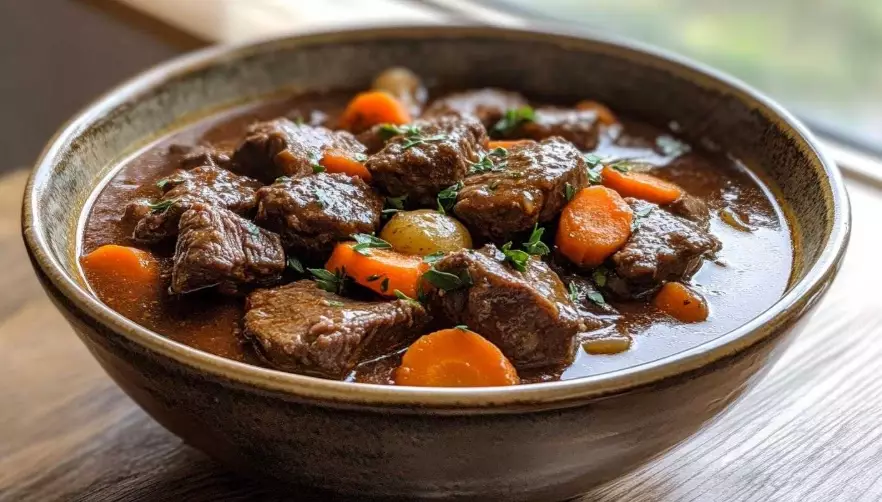
Putting It All Together: A Mental Checklist
So, the next time you make stew, think process, not just recipe.
1. Dry and brown quality, tough-cut meat in batches.
2. Build a flavor base with veggies and cooked-out tomato paste.
3. Simmer gently (preferably in the oven), never boil.
4. Add vegetables in stages based on their cooking time.
5. Finish with fresh seasoning, acid, and herbs.
That's it. That's the real secret. It's less about following instructions and more about understanding why each step matters. Master these five pillars, and you won't just make a good stew. You'll make a legendary one.
 Is it better to cook stew in the oven or on the stovetop?
Reader Comments