You know that feeling when you have to bring a dessert to a party, but you're already juggling a main dish, kids, and a kitchen that looks like a tornado hit it? Yeah, me too. That's when I discovered the magic of making a lava cake in a Crockpot. It sounded too good to be true—a rich, gooey chocolate dessert without babysitting the oven? Sign me up. But my first attempt... well, let's just say it looked more like a chocolate brick than a lava cake. The frosting saved it, though. That's the secret weapon no one talks about enough.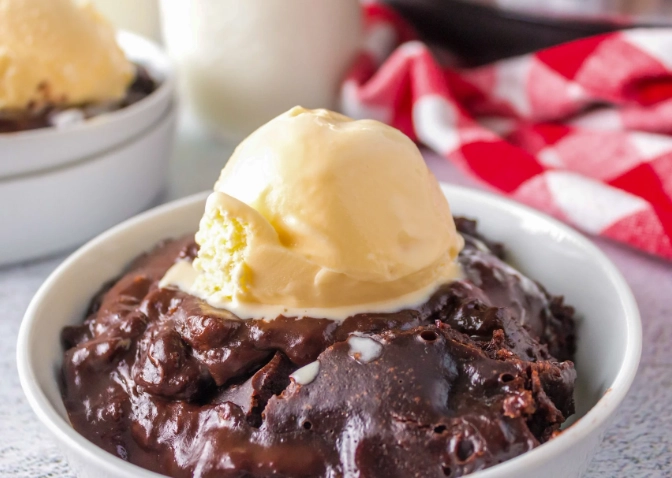
The Crockpot, or slow cooker, isn't just for pulled pork anymore. It's your secret weapon for creating the most decadent, fudgy, molten-centered chocolate cake you'll ever have, and with a fraction of the effort. The beauty of this method is its forgiveness. Forget preheating, forget checking the oven light, forget the whole "hot spot" drama in your oven. You literally dump the batter in, set it, and forget it. The result? A consistently moist, deeply chocolate cake that's impossible to dry out, with a center that oozes on command.
I've been baking for... let's call it a long time. I've seen trends come and go, but the appeal of a self-saucing, no-fuss dessert like this is timeless. Over the years, I've noticed one subtle mistake almost every beginner makes when adapting a traditional lava cake for the slow cooker: they treat the slow cooker like an oven. They bake it on "High" for the entire time, expecting the same results. This is a fundamental misunderstanding. The slow cooker's magic lies in gentle, even, surrounding heat. You're not baking from the bottom up; you're steaming the cake in its own moisture. This changes everything.
What You'll Find In This Guide
Why Make Lava Cake in a Crockpot?
Let's be real. It's about control and forgiveness.
Ovens are moody. One day it's perfectly calibrated, the next it's running 25 degrees hot and your cake is a dry mess. The slow cooker removes that variable. It provides a stable, low-temperature environment that essentially steams the cake, locking in moisture from the very beginning. This means even if you leave it in a bit too long (within reason, of course), the worst that happens is a slightly more set center—not a dry, crumbly disaster.
Then there's the space and heat factor. Summer gatherings, holiday dinners where the oven is packed with savory dishes... this cake quietly does its thing on the counter, not adding a single degree of heat to your kitchen. It frees up your oven for other critical tasks.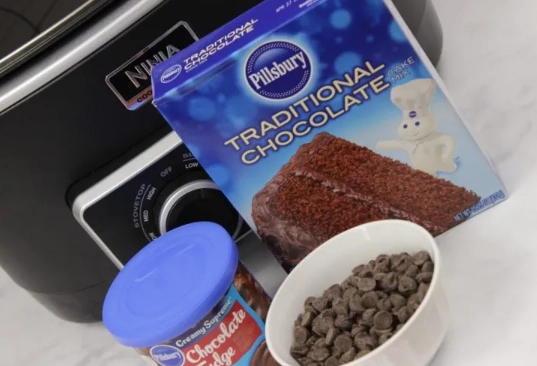
And finally, the set-it-and-forget-it mentality. The active work time for this recipe is about 10 minutes. You mix the dry ingredients, you mix the wet, you combine, you pour. That's it. You then have 2 to 4 hours of hands-off time. This is a game-changer for entertaining or simply managing a busy schedule.
Ingredients Breakdown: The Good, The Better, The Substitutes
This isn't a fussy French patisserie. It's a humble, decadent dessert. But using the right ingredients elevates it from good to "oh-my-god-I-need-this-recipe-now."
The Non-Negotiables
Chocolate: This is the star. I made the mistake early on of using chocolate chips. They contain stabilizers (like vegetable oil) that prevent a clean, molten flow. You need a high-quality bar chocolate that melts smoothly. My personal favorite is Ghirardelli 60% Cacao Bittersweet Chocolate Baking Bars. They're widely available and consistent. A good rule of thumb: if the chocolate tastes good on its own, it will be phenomenal in the cake.
Cocoa Powder: Use natural, unsweetened cocoa powder. Not Dutch-processed. Dutch-processed cocoa is treated with an alkali, which neutralizes its acidity. This gives it a darker color and milder flavor, but it also makes it behave differently in baking. The acidity in natural cocoa powder is crucial for reacting with the baking soda in our batter to create lift and that signature, slightly fudgy texture. Using Dutch-processed here can result in a flat, dense cake.
Eggs & Milk: Bring them to room temperature. This isn't a suggestion; it's a requirement. Cold ingredients will seize the melted butter and chocolate, creating a lumpy batter that bakes unevenly. If you forget (we all do), place the eggs in a bowl of warm water for 5 minutes. Microwave the milk for 15 seconds. It works.
The Flexible Players
Butter: Salted or unsalted butter works perfectly. Salted butter will, of course, add a very subtle saltiness that can enhance the chocolate flavor. I actually prefer salted butter in this recipe for that reason.
Flour: All-purpose flour is the standard. If you need a gluten-free version, a good 1:1 gluten-free baking blend will work, but avoid mixes heavy in bean or rice flours alone; they can make the cake gritty. I've had success with Bob's Red Mill 1-to-1 Baking Flour.
Sugar: Granulated white sugar is fine. Some recipes call for brown sugar, which will give you a deeper, more caramel-like flavor and a slightly chewier texture. I've tested both. The difference is subtle, but present. For a classic, sharp chocolate hit, stick with white sugar.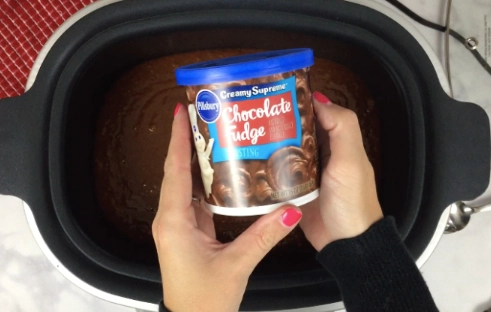
My Step-by-Step Process (Where Most Go Wrong)
This is the part where most recipes just say "mix." I'm going to tell you exactly how I mix it to avoid overworking the batter—the number one reason for a failed lava flow.
- The Dry Team: In a medium bowl, whisk together the all-purpose flour, cocoa powder, granulated sugar, baking powder, and salt. Do this thoroughly. You want every single particle of cocoa powder to be intimately acquainted with the flour. This prevents those dreaded pockets of dry, bitter cocoa in your finished cake.
- The Wet Team: In a separate, large bowl, whisk the eggs until they are pale and slightly frothy. This incorporates air, which helps with the rise. Then, whisk in the milk, vanilla extract, and melted butter. The butter should be warm, but not hot, to the touch. If it's too hot, it will cook the eggs. We want a smooth emulsion.
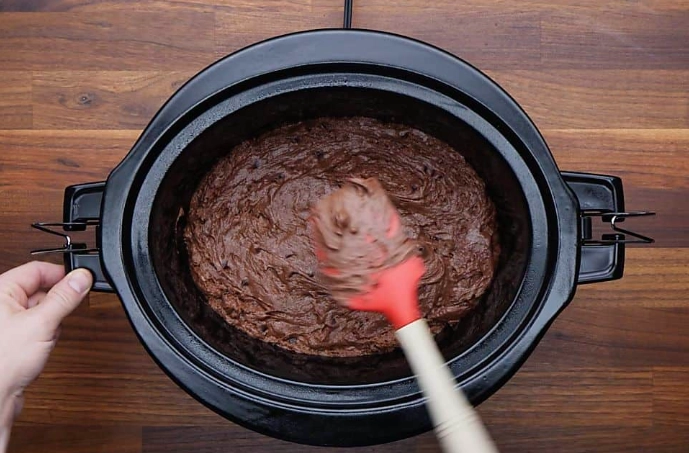
- The Marriage: Here's the critical part. Pour the wet ingredients into the dry ingredients. Using a spatula, not a whisk, gently fold the mixture. Stop folding the moment the last streak of dry flour disappears. Do not beat it. Do not whisk it. You are not making bread. Overmixing develops the gluten in the flour, which leads to a tougher, more bread-like cake. We want a tender, fudgy crumb. I count the folds. I aim for no more than 15 to 20 folds total. Any more, and you risk overworking the batter.
The Frosting Showdown: Ganache vs. Buttercream
This is where personality comes in. The cake is rich, dense, and chocolatey. The frosting needs to either cut through that richness or complement it. Let's break down the two main contenders.
Ganache: The Purist's Choice
Ganache is simply chocolate and cream. When poured warm over the hot cake, it seeps into the cracks, creating a shiny, firm shell that gives way to a smooth, intense chocolate experience. It's less sweet than buttercream, and it lets the chocolate of the cake truly shine. To make it, heat 1 cup of heavy cream until simmering, then pour it over 8 ounces of finely chopped semisweet or bittersweet chocolate. Let it sit for 2 minutes, then stir until smooth. Want it thicker? Let it cool at room temperature for longer. Want it thinner? Use it immediately.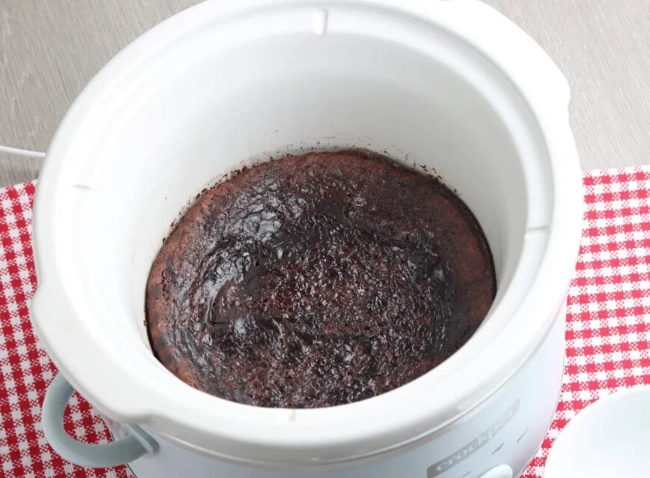
Buttercream: The Crowd-Pleaser
Buttercream is richer, sweeter, and provides a creamy, cloud-like contrast to the dense cake. It's also more forgiving of mistakes. If you overbeat it, you can add a touch more milk or cream. My go-to is a simple vanilla buttercream: 1 cup (2 sticks) of softened unsalted butter, beaten until pale and fluffy, then slowly mixed with 4 cups of sifted powdered sugar and 2 teaspoons of vanilla extract. Add milk or cream a tablespoon at a time until you reach your desired consistency.
Expert Tips for a Perfect Lava Cake Every Time
These aren't just tips; they're the lessons from my many failures so you don't have to experience them.
- Do NOT open the lid during the first 2 hours of cooking. This is the single biggest mistake. The slow cooker traps steam to create its cooking environment. Every time you lift the lid, you release that steam and drop the temperature significantly. It can take 20-30 minutes to recover. If you're checking for doneness, you're already likely too late. Trust the timing.
- Use the right size Crockpot. The recipe as written is designed for a standard 4 to 5-quart round or oval slow cooker. Using a much larger one (like a 6-quart) will cause the batter to spread too thin and cook too quickly, potentially drying out the edges. A much smaller one (3-quart) will take longer and may not cook evenly in the center.
- Lining the Crockpot is non-negotiable. I use a parchment paper sling. This allows you to lift the entire cake out in one clean motion, preventing any breakage that could release the molten center prematurely.
- Test for doneness with an instant-read thermometer. The cake is done when the internal temperature reaches 190-195°F (88-91°C). This is far more reliable than the "toothpick test," which can be misleading with such a moist batter.
Serving Suggestions and Variations
This cake is a blank canvas. While it's absolute perfection on its own, here are a few ways to dress it up:
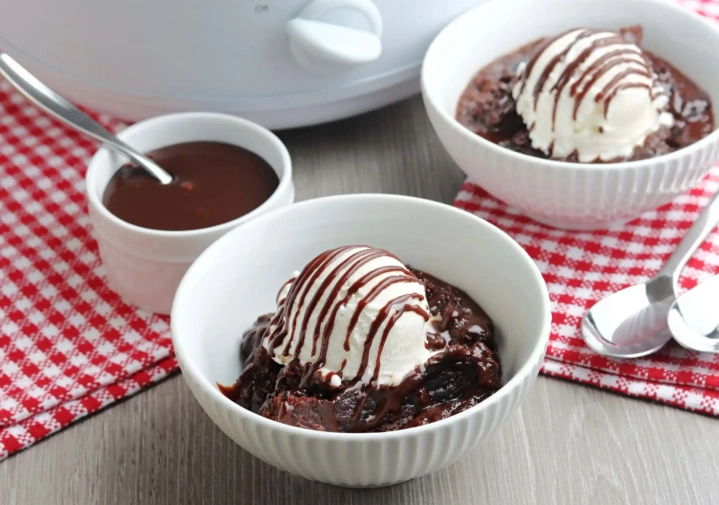
- À la Mode: A scoop of vanilla bean ice cream melting into the warm cake is classic for a reason.
- Berry Burst: Top with fresh raspberries or a raspberry coulis for a tart contrast.
- Salted Caramel Drizzle: A drizzle of salted caramel sauce adds a sophisticated sweetness.
- Espresso Kick: For adults, a shot of espresso or a tablespoon of strong brewed coffee in the batter deepens the chocolate flavor.
Frequently Asked Questions (FAQ)
Reader Comments