Let's be honest. The promise of "dump and go" slow cooker pasta recipes is incredibly seductive. You picture yourself tossing a handful of ingredients into the pot in the morning, and by dinner, a perfect, steaming plate of pasta awaits. No standing over the stove, no timing the sauce and noodles separately. Pure magic.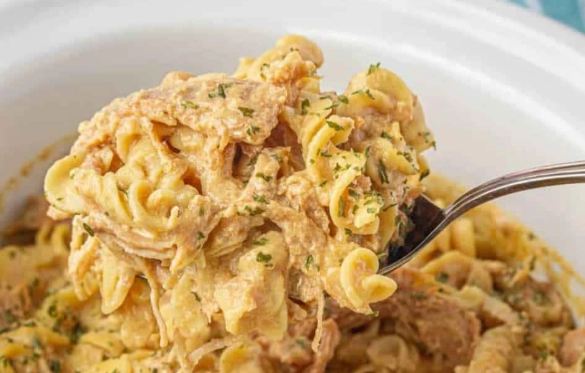
But then you try it. And you end up with a pot of mushy, bloated noodles swimming in a thin, bland sauce. I've been there. I've thrown away more than one batch of what I hoped would be an easy dinner. It took me years of testing—and some spectacular failures—to crack the code.
The truth is, most "dump and go" recipes online skip over the crucial details that make or break the dish. They treat all pasta the same, ignore the liquid-to-pasta ratio, and never mention the single biggest mistake everyone makes. This guide is different. We're going beyond the basic recipe list. We're diving into the why and how so you get perfect results every single time.
What's Inside This Guide?
The One Rule You Can't Break (The Core Principle)
Here's the non-negotiable secret most blogs won't tell you: Timing is everything, and not all pasta is created equal for the slow cooker.
The "dump and go" method works brilliantly, but you cannot simply throw uncooked dried pasta into a slow cooker with sauce and water at 9 AM and expect it to be edible at 6 PM. That's a recipe for paste. The "go" part of "dump and go" often means a shorter cook time on High, or adding the pasta much later in the process.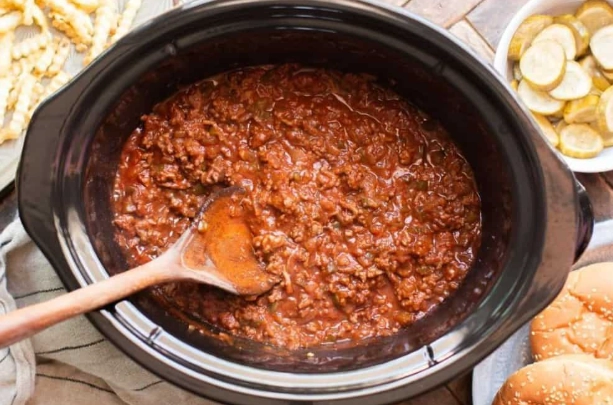
Think of your slow cooker as a gentle steamer, not a rolling boil. The pasta cooks by absorbing the hot liquid around it. If it sits in that hot liquid for hours, it absorbs too much, loses its structure, and turns to mush. The goal is to add it just in time to cook through perfectly.
Three Master "Dump and Go" Pasta Recipes That Actually Work
These aren't just recipes; they're templates. Follow the structure, and you can swap ingredients based on what's in your pantry.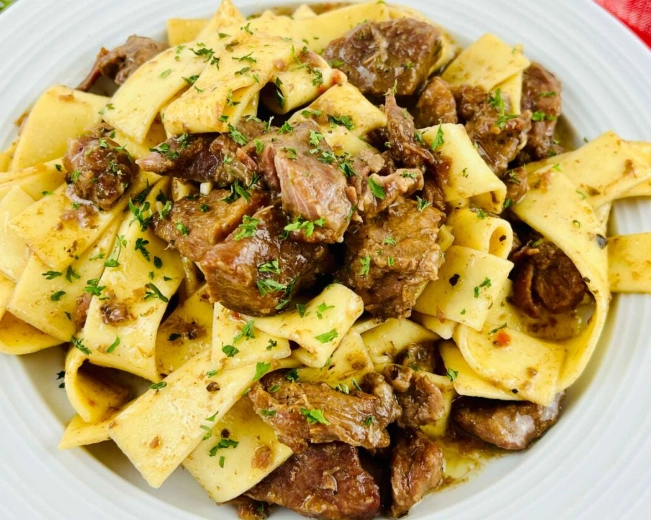
1. The Classic Hearty Beef & Pasta
This is your weeknight hero. It's forgiving and packed with flavor.
What You Dump First (At 10 AM on Low):
- 1 lb lean ground beef (no need to brown it first—trust me)
- 1 small onion, diced
- 3 cloves garlic, minced
- 1 (24-oz) jar of your favorite marinara sauce
- 1 (14.5-oz) can diced tomatoes, undrained
- 2 cups beef broth (not water!)
- 1 tsp dried oregano, 1 tsp dried basil
- Salt and pepper
The "Go" Part (At 5:00 PM):
- Stir the mixture well. Break up any clumps of beef.
- Add 8 oz (about half a standard box) of short pasta like rotini, penne, or ziti. Stir to submerge.
- Turn the slow cooker to High, cover, and cook for 45-60 minutes. Check at 45 minutes. The pasta should be al dente.
- Turn off the heat, stir in 1 cup of shredded mozzarella cheese, and let it sit for 5 minutes to melt.
See the structure? Long, slow cook for the meat and sauce. Short, high-heat blast just for the pasta.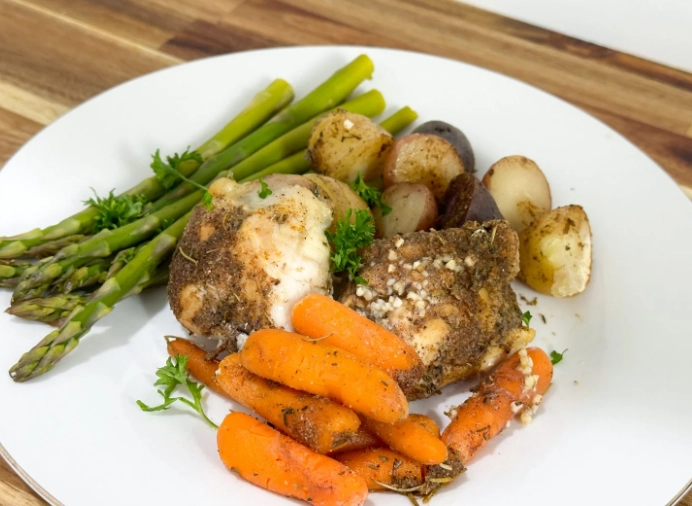
2. Creamy Chicken Alfredo Tortellini
This feels decadent but is embarrassingly easy. Using refrigerated tortellini is a game-changer—it holds its shape beautifully.
What You Dump First (At 2 PM on Low):
- 1.5 lbs boneless, skinless chicken breasts or thighs
- 1 (15-oz) jar of Alfredo sauce
- 1 cup chicken broth
- 4 oz cream cheese, cubed
- 1 cup frozen peas
- 3 cloves garlic, minced
The "Go" Part (At 5:30 PM):
- Remove the chicken, shred it with two forks, and return it to the pot.
- Add 1 (20-oz) package of refrigerated cheese tortellini. Stir gently.
- Cover and cook on High for 25-35 minutes, just until the tortellini is tender and heated through.
- Finish with grated Parmesan and black pepper.
3. Vegetarian Garden Vegetable & Pasta Soup
This blurs the line between a stew and a pasta dish. It's hearty, healthy, and perfect for using up veggies.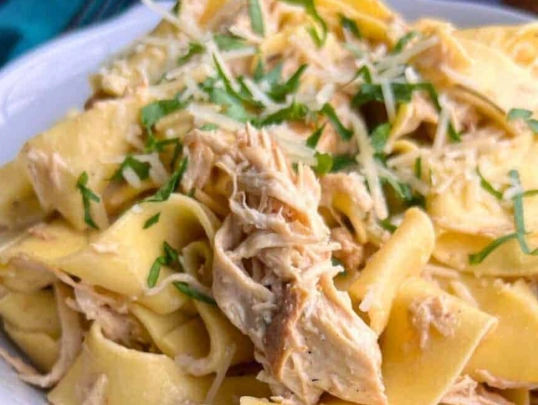
What You Dump First (At 11 AM on Low):
- 1 (28-oz) can crushed tomatoes
- 4 cups vegetable broth
- 2 carrots, diced
- 2 celery stalks, diced
- 1 zucchini, diced
- 1 cup green beans, trimmed and cut
- 1 tsp dried Italian seasoning
The "Go" Part (At 5:15 PM):
- Add 1 cup of small pasta like ditalini or small shells.
- Cover and cook on High for 30-40 minutes, until pasta is cooked.
- Stir in a handful of fresh spinach until wilted. Serve with a drizzle of good olive oil.
Pasta Type Guide: What Works and What Doesn't
This is where most recipes fail you. They don't specify pasta type. Here’s a quick reference table based on my own (sometimes disastrous) tests.
| Pasta Shape | Best For Dump & Go? | Why & Key Tip |
|---|---|---|
| Penne, Rotini, Ziti | Excellent | Sturdy, hollow shapes hold sauce and cook evenly. The gold standard. |
| Refrigerated Tortellini/Ravioli | Excellent | Add in the last 30 minutes. They cook fast and stay intact. |
| Small Shells, Ditalini | Good | Great for soups. Watch the time closely—they can go from perfect to mushy fast. |
| Spaghetti, Linguine, Fettuccine | Not Recommended | Long strands tangle and cook unevenly. Break them into short pieces if you must. |
| Lasagna Noodles (uncooked) | Good (for lasagna only) | They work in a layered lasagna because they're fully surrounded and supported by other ingredients. Don't just dump them in soup. |
Expert Tricks for Flavor and Texture
These small adjustments make a massive difference in taking your dish from "okay" to "restaurant-quality."
Bloom Your Spices: Before you add your liquid, toss your dried spices (oregano, basil, red pepper flakes) directly onto the raw meat or veggies in the pot. The residual heat and fat at the start of cooking will "bloom" them, releasing oils and creating a deeper flavor base than if you just stir them into the broth later.
The Cheese Rule: Always add soft, melting cheeses (mozzarella, cheddar, cream cheese) after the pasta is cooked and the heat is off. Adding them during cooking can cause them to separate, become oily, or stick to the bottom and scorch.
Acid is Your Friend: A slow cooker can dull bright flavors. Right before serving, stir in a splash of acid to wake everything up. A tablespoon of balsamic vinegar in a meaty pasta, a squeeze of lemon juice in a chicken Alfredo, or a dash of red wine vinegar in a veggie soup makes the flavors pop.
Common Mistakes and How to Fix Them
I've made these so you don't have to.
Mistake #1: The Pasta is Mushy. You cooked it too long. Next time, check 10-15 minutes before the recipe suggests. Pasta continues to cook in the residual heat even after you turn off the pot. Aim for slightly firmer than al dente when you check it.
Mistake #2: The Sauce is Too Watery. You used too much liquid, or your pasta absorbed less than expected. Fix it by removing the lid, turning the slow cooker to High, and letting it simmer uncovered for 15-20 minutes to reduce. You can also make a quick slurry (1 tbsp cornstarch mixed with 2 tbsp cold water) and stir it in to thicken.
Mistake #3: It's Bland. You under-seasoned. Slow cookers mellow flavors. Always season aggressively at the beginning and always taste and adjust the seasoning at the end. Salt, pepper, garlic powder, and that final splash of acid are crucial.
Reader Comments