Quick Guide
Let's be honest, you're probably here because you've got a beautiful, marbled ribeye steak sitting in your fridge. Maybe it was on sale. Maybe you got it as a gift. And now you're staring at your slow cooker, wondering, "Can I just throw this in there?" The internet is full of strong opinions. Some folks swear it's a crime against steak. Others say it's the only way to make it fall-apart tender. Who's right?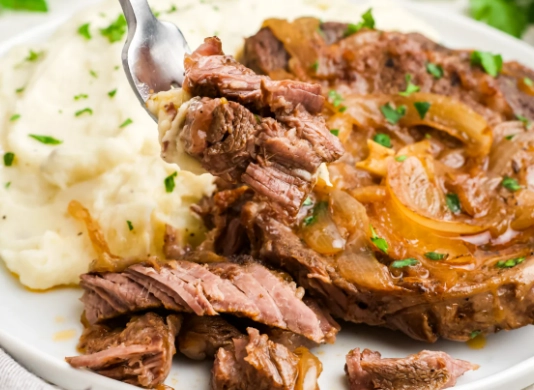
I've been there. I've ruined a perfectly good ribeye by treating it like a chuck roast. I've also had moments of slow-cooked ribeye bliss that made me question everything I knew about cooking. So, is ribeye good in the crockpot? The short, messy truth is: it can be, but it's a high-risk, high-reward move that demands respect. Doing it wrong gives you a chewy, gray, sad piece of meat that makes you want to order pizza. Doing it right? You get something so unbelievably rich and tender, it's almost like a different cut altogether.
This isn't just a yes or no article. We're going to dig into the why, the how, and the "for heaven's sake, don't do that" of cooking ribeye in a crockpot. We'll talk about the science of fat and collagen, the critical importance of thickness, and the step-by-step method that actually works. By the end, you'll know exactly whether your specific ribeye and your specific goals are a match for the slow cooker.
The Great Debate: Why People Argue About Ribeye in the Slow Cooker
To understand the conflict, you need to know what makes a ribeye special. It's from the rib section of the cow, a muscle that doesn't work very hard. That means it's already tender. What it's famous for is intramuscular fat – those gorgeous white streaks of marbling that melt during cooking, basting the meat from the inside with incredible flavor and juiciness.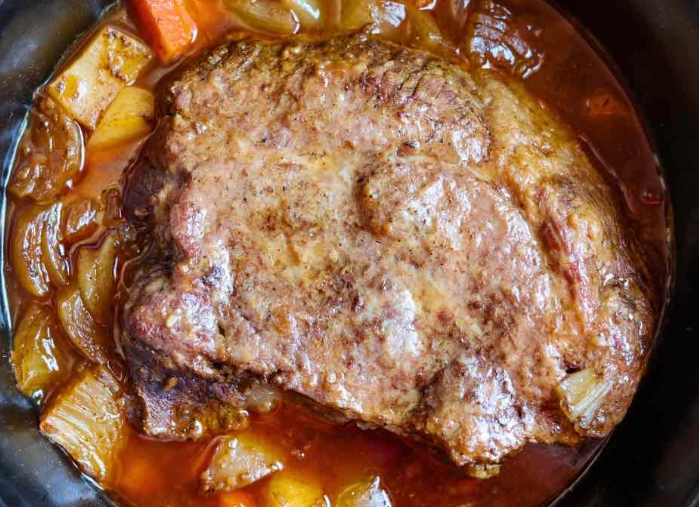
This is where the purists get upset.
Their argument is solid: High-heat, fast cooking (like grilling or searing in a cast-iron skillet) is the best way to honor a ribeye. It creates a spectacular, crispy, caramelized crust (the Maillard reaction, if you want to get technical) while keeping the interior a perfect medium-rare, letting that marbling melt just enough. Throw that same steak into a moist, low-temperature environment for 8 hours, and you're guaranteed to overcook it to well-done, losing that prized texture and potentially making the fat feel greasy instead of luxurious.
The Biggest Fear (And It's Valid)
The number one reason people ask "is ribeye good in the crockpot?" with skepticism is the fear of ending up with a tough, dry, stringy steak. This happens when you treat a thin, lean-ish ribeye like a tough cut. Low and slow is meant to break down tough connective tissue (collagen) into gelatin. A prime ribeye doesn't have much of that to begin with. So all you're doing is slowly driving out all the moisture without the benefit of transforming tough tissue. The result? Shoe leather.
But the pro-crockpot crowd has a point, too. When you start with a thick, well-marbled ribeye (think 1.5 inches or more), and you treat the slow cooker not as a dump-and-go device but as a precision tool, magic can happen. The long, gentle heat can render the fat even more completely, creating an unctuous, buttery texture that's impossible to achieve with quick cooking. It becomes less of a "steak" and more of a "beef roast" experience – pull-apart tender, deeply flavored from a long braise.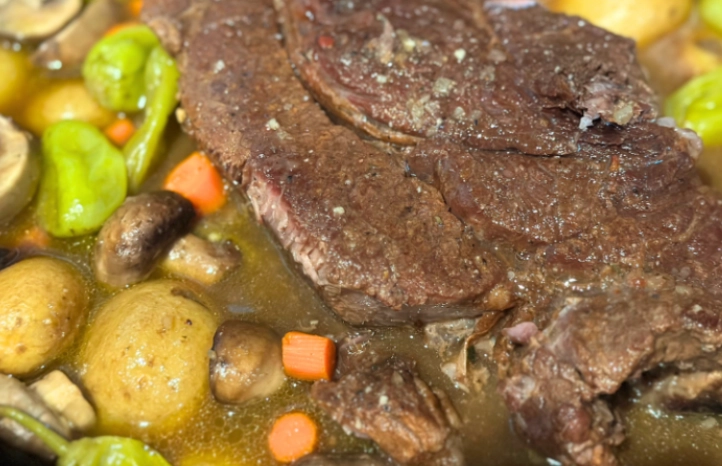
When It Works: The Perfect Storm for a Crockpot Ribeye
Not all ribeyes are created equal for this purpose. If you want a positive answer to "is ribeye good in the crockpot?", you need the right starting point.
The Ideal Ribeye Candidate
- Thickness is Non-Negotiable: You want a steak that's at least 1.5 inches thick. 2 inches is even better. A thin, 3/4-inch ribeye will be overcooked and dry long before the 4-hour mark. The mass of a thicker cut protects the interior.
- Marbling Matters: Look for Prime grade or a very well-marbled Choice grade. That fat is your insurance policy against dryness. It's the fuel for flavor and moisture during the long cook.
- Bone-In vs. Boneless: This is personal. The bone can add flavor, but it also makes searing and fitting into the pot trickier. For consistency and ease, I often go with a massive boneless ribeye roast or a thick bone-in ribeye if my pot is big enough.
My Personal Experience: The best success I ever had was with a 2-inch thick, bone-in "cowboy cut" ribeye. I seared it viciously, set it on a bed of onions and mushrooms with just a half-cup of beef broth, and cooked it on LOW for about 5 hours until it was probe-tender (around 200°F internal). It wasn't a steak anymore; it was a decadent, shareable pot roast with the flavor of a ribeye. A completely different, but fantastic, meal.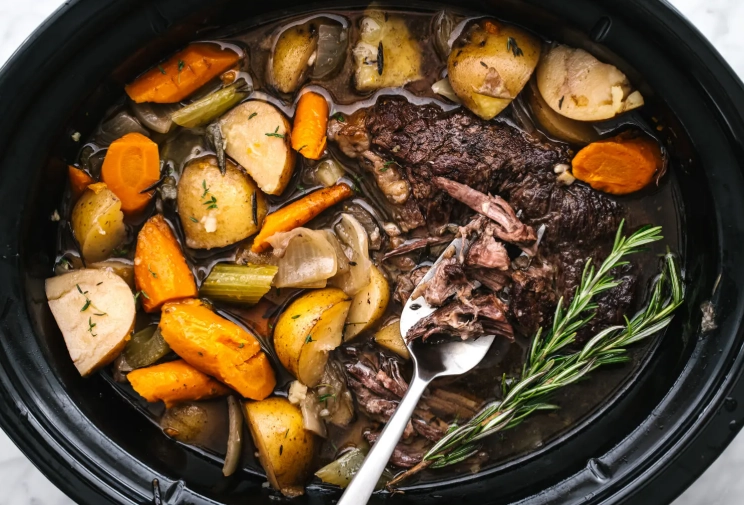
The Crockpot Method That Doesn't Suck
Forget the recipes that tell you to dump raw steak and cream of mushroom soup on top. That's a path to disappointment. Here's the method that respects the meat:
- Season Aggressively, and Early: Salt your ribeye heavily at least 45 minutes before cooking, or even the night before. This seasons it deeply and helps retain moisture.
- Sear Like Your Dinner Depends On It (It Does): This is the most critical step to answer "is ribeye good in the crockpot?" with a yes. Get a skillet smoking hot. Pat the steak very dry. Sear it for 2-3 minutes per side until you have a deep, dark brown crust. This builds flavor that the slow cooker alone cannot create. Don't skip this.
- Build a Flavor Bed: Don't submerge the steak. Place a layer of hearty vegetables (onions, carrots, chunks of potato) in the bottom of the crock. These will absorb juices and keep the steak elevated slightly out of direct liquid contact.
- Low and Slow is the Only Way: Place the seared ribeye on the vegetables. Add a small amount of liquid—just enough to cover the bottom of the pot, about 1/2 to 3/4 cup of broth, red wine, or even just water. The steak will release more juices. Cook on LOW only. High will guarantee toughness. Start checking for doneness at 4 hours for a 1.5-inch steak.
- Target a Higher Temperature: You're not aiming for medium-rare (130°F). For this application, you want the steak to be "probe-tender," where a fork or thermometer slides in with almost no resistance. This is usually between 195°F and 205°F internally. At this point, the fat and connective tissue have fully rendered.
- Rest and Serve: Let it rest for 15-20 minutes before slicing against the grain. It will be tender enough to pull apart with forks.
When It Fails: Common Mistakes That Ruin Crockpot Ribeye
Let's talk about the dark side. I've made these mistakes so you don't have to.
| The Mistake | What Happens | How to Avoid It |
|---|---|---|
| Using a Thin Steak | Overcooks in under 3 hours, becomes dry and chewy. The core question of "is ribeye good in the crockpot?" is answered with a loud NO. | Only use steaks 1.5" thick or more. If you only have thin ones, cook them fast, not slow. |
| Skipping the Sear | The steak tastes boiled, bland, and looks unappetizingly gray. You miss out on hundreds of complex flavor compounds. | Sear. Every. Single. Time. It's 5 minutes that makes all the difference. |
| Adding Too Much Liquid | You're braising, not boiling. Too much liquid washes away flavor and can make the texture mushy. | Use just enough liquid to cover the very bottom of the pot (1/2 to 3/4 cup). The meat and veggies will make more. |
| Cooking on HIGH | The muscle fibers tense up violently and squeeze out all moisture, resulting in an irreversibly tough steak. | Patience is key. Use the LOW setting exclusively for ribeye. |
| Overcooking Beyond "Tender" | Even a properly cooked crockpot ribeye can turn to mush if left for too many hours. It loses all structure. | Start checking at 4 hours. Use the probe-tender test, not just the clock. |
Pro Tip: If you're worried about the final texture, consider cutting a thick ribeye into large, 2-inch chunks before searing. This increases surface area for browning and gives you more consistent, bite-sized pieces of tender meat in the final dish, similar to a high-end beef stew.
Ribeye vs. Other Cuts: Is the Crockpot Worth It?
This is the crux of the matter. To truly know if ribeye is good in the crockpot, you have to compare it to cuts that are designed for it.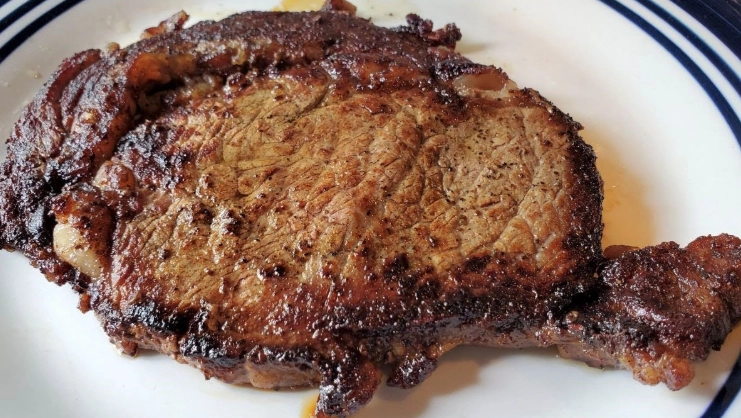
Chuck roast, brisket, short ribs, and round roasts are tough, economical cuts packed with collagen. The slow cooker is their best friend. It transforms their toughness into tenderness over many hours. They are also much cheaper per pound than ribeye.
So, why use an expensive ribeye?
You do it for the flavor of the fat. The marbling in a prime ribeye is different—it's more abundant and finer than in a chuck roast. When rendered slowly, it creates a uniquely rich, beefy, and luxurious mouthfeel that a leaner cut can't match. You're paying for that flavor potential. But you're also taking a bigger financial risk if it goes wrong.
My take? If your primary goal is an easy, guaranteed-tender, budget-friendly pot roast, buy a chuck roast. It's foolproof. If you have a spectacularly marbled, thick ribeye and you're intentionally chasing a next-level, decadent, "special occasion" slow-cooked beef experience, then yes, the crockpot can be a brilliant tool. It's not an everyday move; it's a strategic choice.
Your Burning Questions, Answered
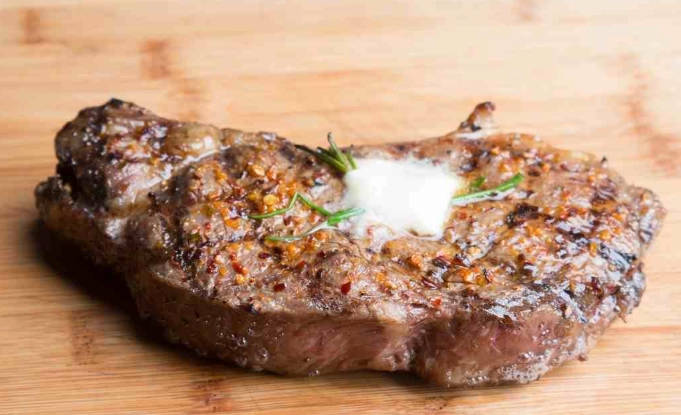
The Final Verdict: Should You Do It?
So, after all this, is ribeye good in the crockpot?
It's a conditional yes. It's not the best use for every ribeye, and it's certainly not the traditional method. But dismissing it entirely means missing out on a potentially incredible dining experience.
Think of it this way: You're not making a steak. You're making a ribeye pot roast. It's a different dish with different goals. If you go in with that expectation—and you follow the rules of thickness, searing, and low heat—you can create something memorably delicious.
Bottom Line: Don't use your last, perfect, thin-cut ribeye for a risky slow cooker experiment on a Tuesday night. But if you find a thick, beautifully marbled ribeye and you're in the mood for a project that yields incredibly rich, fork-tender beef, then go for it. Respect the process, manage your expectations, and you might just discover a new favorite way to answer the question, "is ribeye good in the crockpot?" with a resounding and satisfying "Yes, it absolutely can be."
Just remember to sear it first.
Reader Comments