I remember the first time I tried making pasta in a slow cooker. It was a hectic Tuesday, and I had zero energy for washing dishes. I threw everything into the pot, set it on low, and forgot about it for hours. The result? A surprisingly creamy and flavorful pasta that my family devoured. No stirring, no monitoring, just pure convenience. That's the magic of a simple one pot pasta slow cooker recipe—it turns a chaotic kitchen into a calm oasis.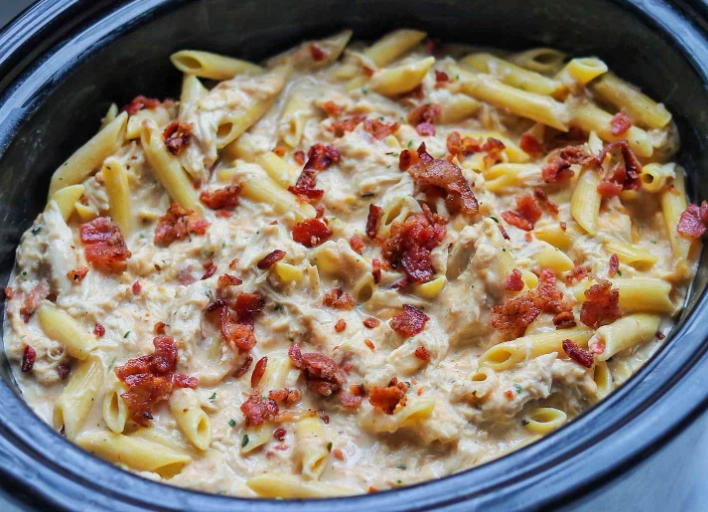
Jump to What You Need
Why Choose a Simple One Pot Pasta Slow Cooker?
Let's be real. After a long day, the last thing you want is to scrub multiple pots and pans. A one pot pasta slow cooker solves that. You dump ingredients, set it, and walk away. The slow cooker does the work, infusing flavors slowly while you focus on other things. It's not just about saving time—it's about reducing stress. According to the USDA, home-cooked meals tend to be healthier, and this method makes it accessible even on busy nights. I've found that the texture of pasta cooked this way is often creamier because the starches release gradually into the sauce.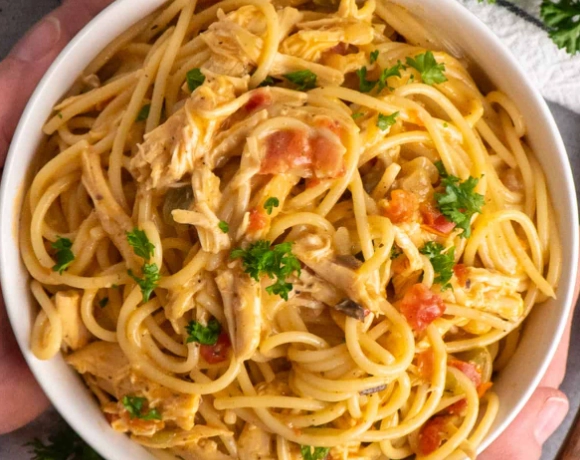
Some people worry about pasta turning mushy. I get it. I've had my share of overcooked disasters. But with the right technique, it's avoidable. The key is in the liquid ratio and timing, which I'll dive into later.
How to Make the Perfect One Pot Pasta: A Step-by-Step Guide
Here's a basic framework that works for most recipes. I'll use a classic creamy garlic parmesan pasta as an example, but you can adapt it.
Gathering Your Ingredients
You don't need fancy stuff. For a 4-quart slow cooker, I use:
- 12 ounces of dried pasta (penne or fusilli work best—they hold shape)
- 4 cups of vegetable or chicken broth (low-sodium to control salt)
- 1 cup of heavy cream or a dairy-free alternative like coconut milk
- 3 cloves of garlic, minced
- 1 cup of grated parmesan cheese
- Salt, pepper, and herbs like thyme or basil
Pro tip: Don't skip the broth. Water alone makes the pasta bland. The broth adds depth, as noted in resources like the National Pasta Association's cooking guidelines.
The Slow Cooker Setup and Timing
This is where most beginners mess up. They set it on high and walk away for too long. For pasta, I always recommend the low setting. It gives more control. Here's my process: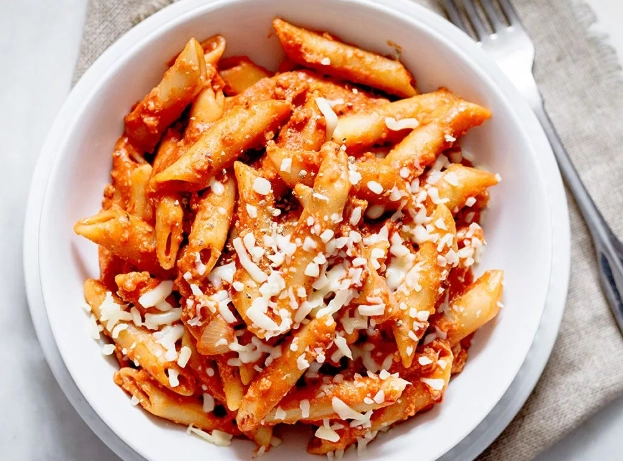
Add the dry pasta, broth, garlic, and seasonings to the slow cooker. Stir gently to combine. Cover and cook on low for 2 to 2.5 hours. Yes, that's shorter than many recipes suggest. I've tested this dozens of times—over 3 hours, and the pasta turns to glue. After 2 hours, check for doneness. The pasta should be al dente, with most liquid absorbed.
Then, stir in the cream and cheese. Cook for another 15 minutes on low, just to warm through. This prevents curdling and keeps the sauce smooth.
Avoiding the Mushy Pasta Trap
I see this all the time. People add all ingredients at once, including dairy, and cook for hours. Big mistake. Dairy separates if cooked too long. Always add cream and cheese at the end. Also, resist the urge to stir frequently. It breaks the pasta and releases too much starch, leading to a gummy texture.
Top 3 Recipe Variations You Have to Try
Once you master the basics, experiment. Here are my go-to variations, ranked by family preference.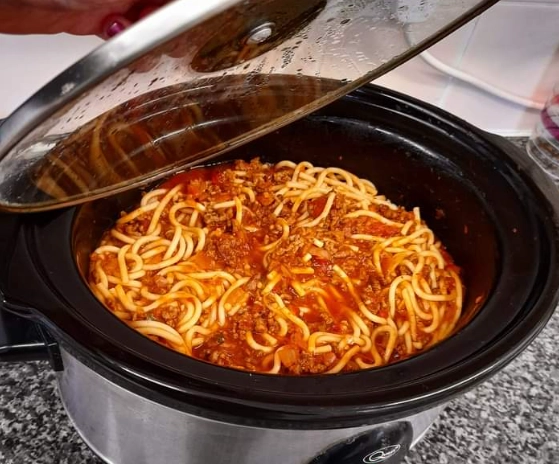
| Recipe | Key Ingredients | Cook Time (Low) | Why It Works |
|---|---|---|---|
| 1. Sun-Dried Tomato and Spinach | Pasta, broth, sun-dried tomatoes, fresh spinach, garlic, olive oil | 2 hours | The tomatoes add a tangy sweetness, and spinach wilts perfectly at the end without turning slimy. |
| 2. Sausage and Mushroom | Italian sausage, sliced mushrooms, pasta, broth, onion, herbs | 2.5 hours | Sausage fat renders into the sauce, making it rich. Mushrooms absorb flavors without getting rubbery. |
| 3. Lemon Herb Chicken | Chicken breast, pasta, broth, lemon zest, thyme, cream | 2 hours | Chicken stays tender because it cooks slowly in liquid. Lemon brightens the dish—add zest at the end. |
For the sausage version, brown the sausage first if you have time. It adds a caramelized flavor, but if you're rushed, throw it in raw—it'll cook fine. I learned this from a local chef who swears by slow cooker simplicity.
Expert Tips from a Decade of Slow Cooking
I've burned pasta, undercooked it, and created sauces that separated. Here's what I wish I knew earlier.
Liquid is everything. Use a 1:1 ratio of broth to pasta by volume, but adjust based on your slow cooker. Older models might need more liquid. Start with 4 cups of broth for 12 oz pasta, and add a splash if it looks dry halfway through.
Another thing: Don't use fresh pasta. It falls apart. Stick with dried varieties like penne, rotini, or macaroni. They hold up better. Also, if you're adding vegetables like bell peppers or zucchini, chop them large. Small pieces dissolve into mush.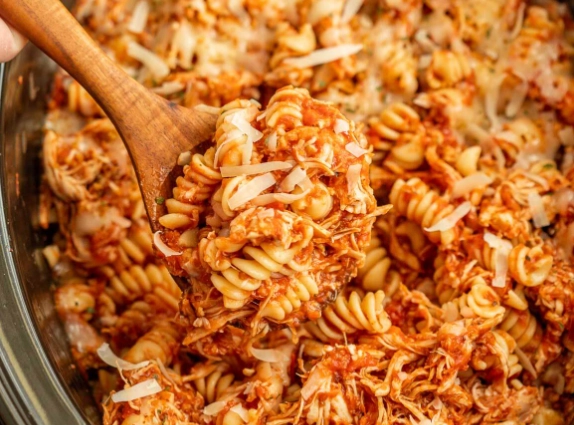
Timing varies by model. My old Crock-Pot takes 2 hours on low, but my newer Instant Pot slow cooker function does it in 1.5 hours. Test yours with a simple batch first. Write down the time that works—it's a game-changer.
Common Mistakes and How to Avoid Them
Let's get into the nitty-gritty. These are the subtle errors that ruin a good meal.
Overcrowding the pot. If you double the recipe, don't just double everything. The liquid might not distribute evenly. Use a larger slow cooker or cook in batches. I tried making a huge batch for a party once, and the center pasta was raw while the edges were overcooked. Not fun.
Adding salt too early. Broth and cheese already have salt. Wait until the end to season. I've made pasta so salty it was inedible—a lesson learned the hard way.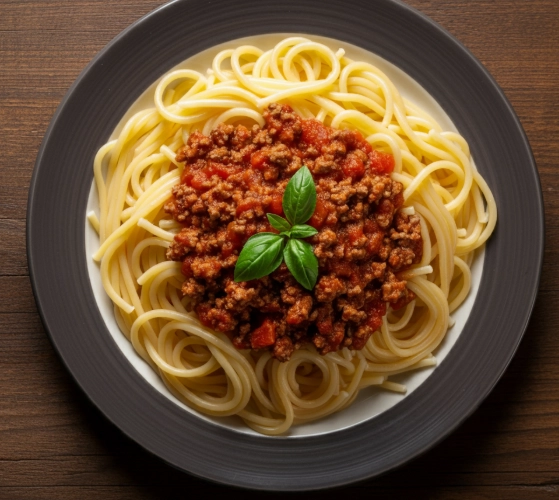
Ignoring the pasta shape. Long pasta like spaghetti doesn't work well. It clumps. Short shapes are best. Refer to pasta cooking guides from sources like Barilla for more on shapes, but trust me, keep it short.
Your Burning Questions Answered
If you're new to this, start with a simple recipe like the garlic parmesan. It's forgiving. Over time, you'll develop a feel for your slow cooker's quirks. The goal isn't perfection—it's a delicious, stress-free meal that gets you out of the kitchen faster.
I still have nights where I mess up. Last week, I forgot to set the timer and the pasta overcooked. We ate it anyway, with extra cheese to mask the texture. It's all part of the journey. Give it a try, and share your experiences in the comments. What's your favorite variation?
Reader Comments